
Written by
Nick Robinson


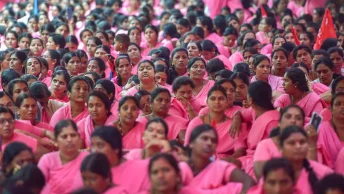
The article is divided into two parts. Part-I seeks to establish that ASHA workers fulfil conditions to be recognised as workman under the IRC. Part-II aims to show how the feminisation aspect...
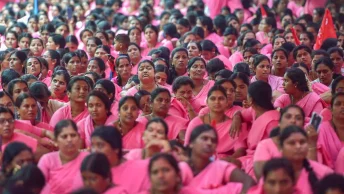
The article is divided into two parts. Part-I seeks to establish that ASHA workers fulfil conditions to be recognised as workman under the IRC. Part-II aims to show how the feminisation aspect...

Summary: The article analyses the case of Hari Devageeth v Union of India. It highlights the conflict faced by the court between two constitutional rights: a transgender man’s right to bodily...
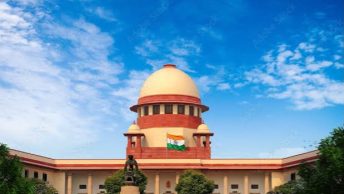
Introduction The fifth panel highlighted the multi-faceted dimensions of behavioural accountability within the Indian Judicial system. Moving beyond the constitutional frameworks, the panelists...
Introduction This report summarises the panel discussion titled “Adjudicating the Environmental Juristocracy,” which examined the trajectory of environmental and animal law jurisprudence...
Introduction The panel paid tribute to Professor M.P. Singh by showcasing his academic work, his role as head of NUJS, and his ability to unite diverse groups in legal education. Dr. Satya Prasoon...
My father and I have discussed these issues in "When is Buying Votes Wrong?"
http://www.tau.ac.il/~kochin/votebuy.pdf