
The debate over T.S.R. Subramanian continues in the pages of the Indian Express. On Friday, Pratap Bhanu Mehta wrote a whithering critique of the judgment, which takes steps to increase bureaucratic independence, labeling it judicial overreach that allows a middle class agenda to undercut representative democracy. Today, Menaka Guruswamy, one of the primary lawyers for the bureaucrats who brought the case, struck back, arguing in an op-ed that Mehta fundamentally misreads the judgment, which she argues is actually an example of restrained judicial intervention grounded both in sound policy and a careful reading of constitutional text and history. I recommend reading both pieces to gain insight not only into this case, but the larger debate over the Court’s role in shaping the Indian polity.

T.S.R. Subramanian Debate Continues

Further reading

This article examines India's Digital Personal Data Protection Act 2023, focusing on the adequacy of its consent-based framework as the primary mechanism for privacy protection. It discusses...

This article examines the Supreme Court’s 2025 judgment on the Aravalli Hills and Ranges, focusing on the Court’s effort to resolve the long-standing definitional ambiguity surrounding the ecosystem...
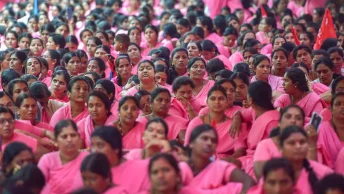
The article is divided into two parts. Part-I seeks to establish that ASHA workers fulfil conditions to be recognised as workman under the IRC. Part-II aims to show how the feminisation aspect...
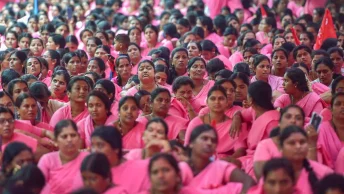
The article is divided into two parts. Part-I seeks to establish that ASHA workers fulfil conditions to be recognised as workman under the IRC. Part-II aims to show how the feminisation aspect...

Summary: The article analyses the case of Hari Devageeth v Union of India. It highlights the conflict faced by the court between two constitutional rights: a transgender man’s right to bodily...
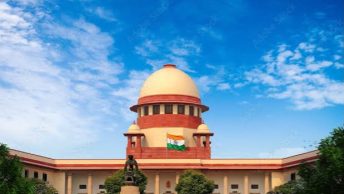
Introduction The fifth panel highlighted the multi-faceted dimensions of behavioural accountability within the Indian Judicial system. Moving beyond the constitutional frameworks, the panelists...
Both, Mr. Pratap Bhanu's critique and Menaka Guruswamy's reply to it are a treat to read.
However, I think we are still missing something. My point is that the Supreme Court did not give adequate weight and consideration to the arguments raised by the Union of India and the other states.
The state tried to show how it is implementing the recommendations of these committees and commissions. In fact, most of the recommendations have already been implemented. But, Supreme Court did not go into those details.
My personal opinion regarding this case can be found here. http://www.desikanoon.co.in/2013/11/supreme-court-judgment-on-good_1.html