Following the Delhi High Court's judgement in the Unnao case, this two-part article traces how an ageing precedent from corruption jurisprudence, i.e., A. R. Antulay has come to cast a long and...
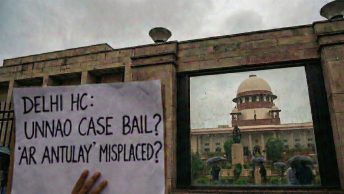

Following the Delhi High Court's judgement in the Unnao case, this two-part article traces how an ageing precedent from corruption jurisprudence, i.e., A. R. Antulay has come to cast a long and...
Following the Delhi High Court's judgement in the Unnao case, this two-part article traces how an ageing precedent from corruption jurisprudence, i.e., A. R. Antulay has come to cast a long and...
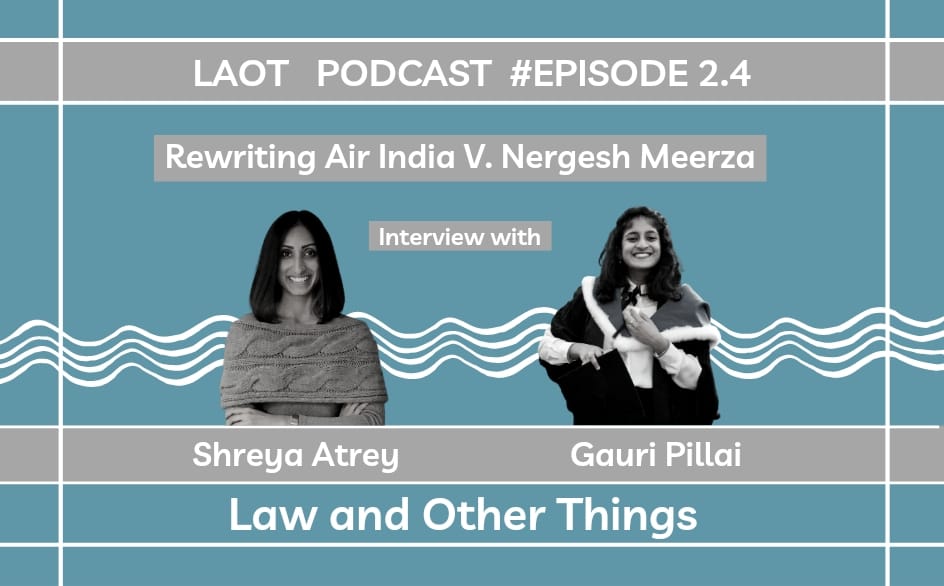
In this episode, our legal editor Eeshan Sonak is in conversation with Shreya Atrey and Gauri Pillai discussing their rewriting of Nergesh Meerza, which dealt with the constitutionality of Air India...
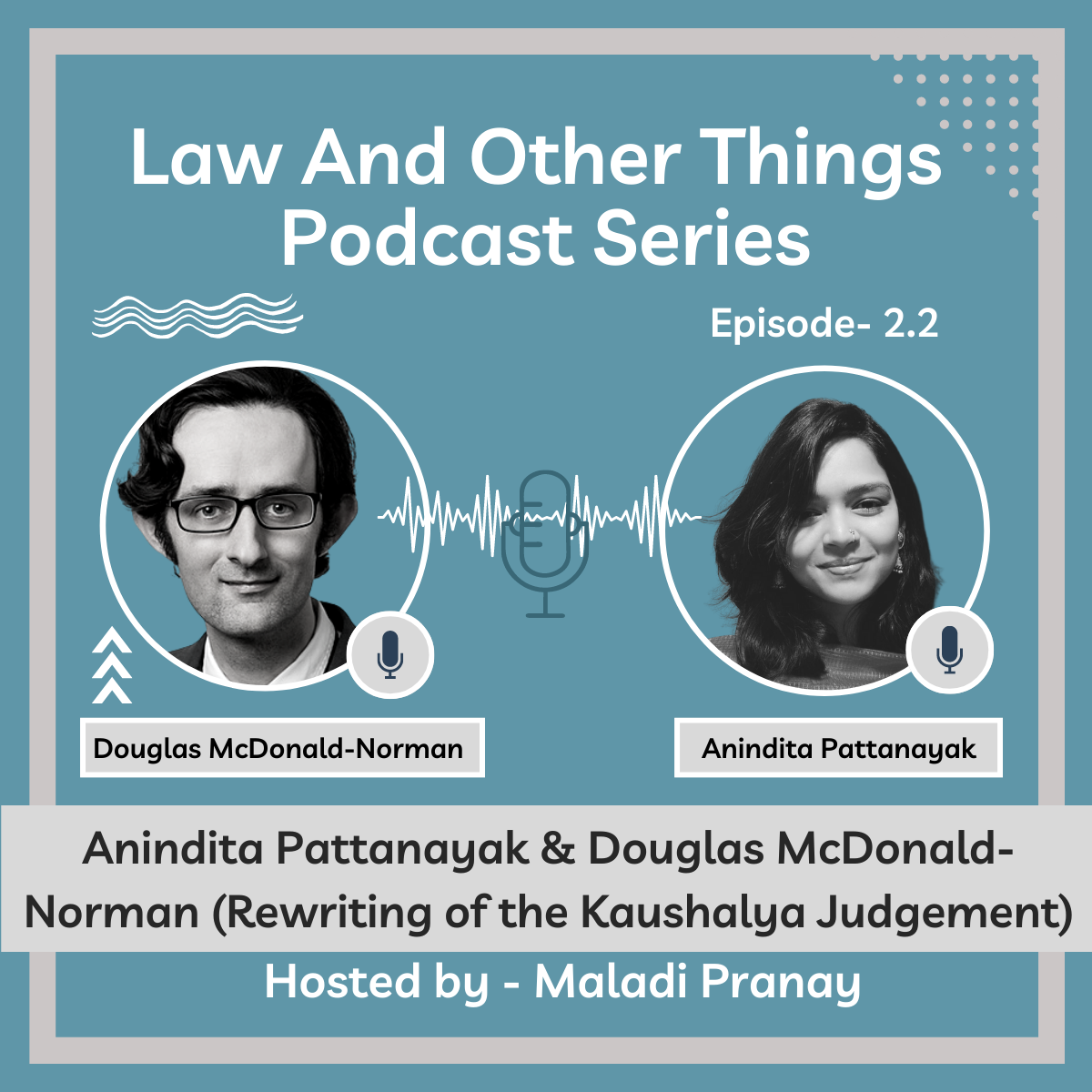
The Indian Feminist Judgments project [IFJP] is a collaboration between feminist legal academics, litigators and judges, practitioners, and activists from law and other disciplines who use a...
The Indian Feminist Judgments project [IFJP] is a collaboration between feminist legal academics, litigators and judges, practitioners, activists from law and other disciplines, who are using a...
Jhuma Sen, Rachna Chaudhary and Aparna Chandra anchor the Indian Feminist Judgments project [IFJP], a collaboration between feminist legal academics, litigators and judges, practitioners, activists...
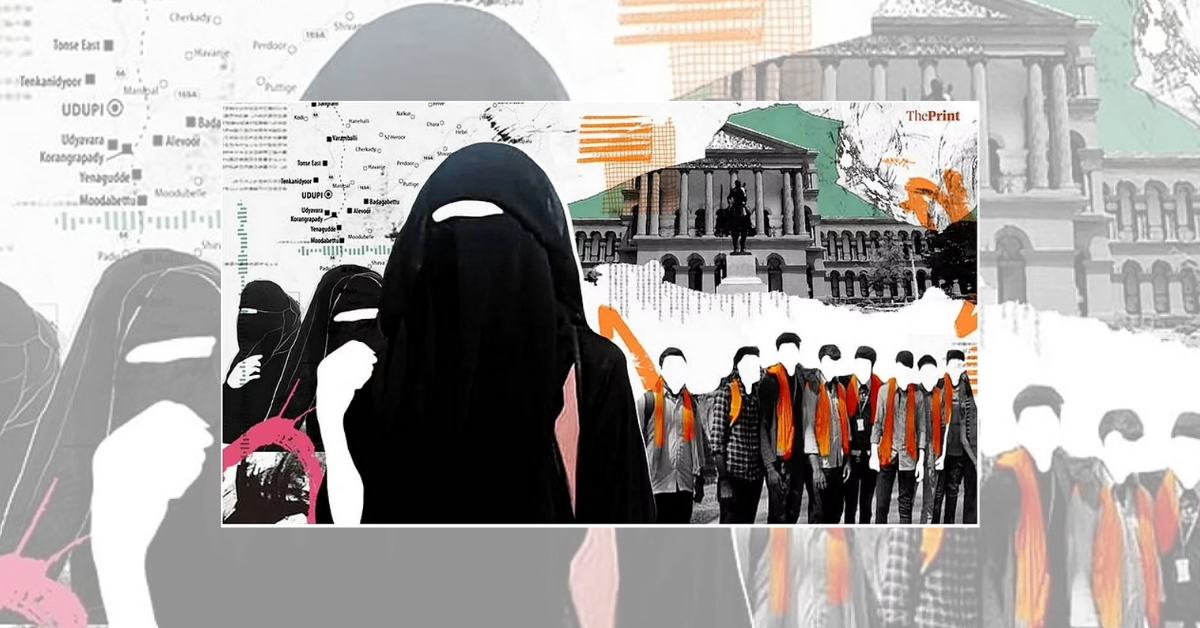
In this explainer, Harsh Jain, our analyst identifies the key issues in the Karnataka High Court's hijab order and critically analyses the findings of the Court in each of the three issues.

Shloab Arora examines the centrality of sexual intercourse to marriage within personal laws and explains its impact on the debate around criminalisation of marital rape, and how far mere...

[Ed Note: This is a two-part series on the analysis of the Tarun Tejpal judgment. Part 1 can be accessed here.] Continuing from the discussion in Part I, the Verdict highlights the Indian legal...
[Ed Note: This is a two-part series on the analysis of the Tarun Tejpal judgment. Part 2 can be accessed here.] On May 21, 2021, the Addnl. Sessions Judge at Mapusa acquitted former Tehelka Editor...