Written by
Vikram Raghavan



This article examines India's Digital Personal Data Protection Act 2023, focusing on the adequacy of its consent-based framework as the primary mechanism for privacy protection. It discusses...

This article examines the Supreme Court’s 2025 judgment on the Aravalli Hills and Ranges, focusing on the Court’s effort to resolve the long-standing definitional ambiguity surrounding the ecosystem...
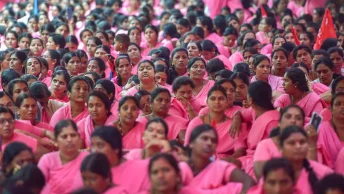
The article is divided into two parts. Part-I seeks to establish that ASHA workers fulfil conditions to be recognised as workman under the IRC. Part-II aims to show how the feminisation aspect...
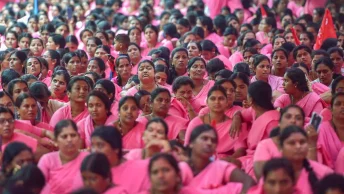
The article is divided into two parts. Part-I seeks to establish that ASHA workers fulfil conditions to be recognised as workman under the IRC. Part-II aims to show how the feminisation aspect...

Summary: The article analyses the case of Hari Devageeth v Union of India. It highlights the conflict faced by the court between two constitutional rights: a transgender man’s right to bodily...
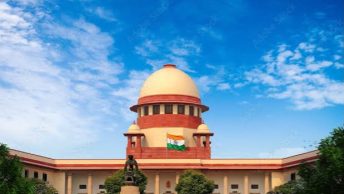
Introduction The fifth panel highlighted the multi-faceted dimensions of behavioural accountability within the Indian Judicial system. Moving beyond the constitutional frameworks, the panelists...
I agree ! Freedom of Speech & Expression has been accorded a very important place in our constitutional scheme of things, though restrictions in the interest of public order/morality are always there, the decision of a statutory body like CBFC should be given maximum weightage – since authority is well aware of our constitutional ethos, and has people from various walks of life on it's board representing diverse interests. State Governments in this task should strengthen artistic freedom, and not give in to ransom by fringe elements, indulging in nothing but political opportunism
Bharat
http://www.advocatebharatchugh.wordpress.com
I, of course, fully support artistic freedom but there appears to be a power-accountability mismatch with the current certification system. I understand that film certification is in the Union list in the 7th schedule & states therefore have no say in it but I see a structural infirmity here in that they are expected to enforce decisions with significant local implications but made by the Center without their input and all of this on their own dime. Jayalalitha may be guilty of appeasement here but she has a point when she says if there is a riot tomorrow, it is her government that will be directly in the line of fire, not the Center. And no one will buy her defense then if that happens that she was protecting artistic expression and this is an acceptable price to pay. Even if the Center were to come to the state's aid and send in the CRPF, the state government will have to foot the bill of such a deployment.
Maybe the idea of giving the Center exclusive control over CBFC led process is a mistake. It may not be practical for every state to have such a review board (quite the nightmare for any producer) but some system where state representatives will pitch in might make things run more smoothly. And if the Center really wants the power, it ought to put its money where its mouth is and bear at least some portion of the (?financial) consequences of its screening decisions. Otherwise, we will continue to see this problem recur. Harini Calamur has catalogued a list of movies that have faced such bans in individual states.
Good Read… much more interesting a conclusion!
Good Read … Much more interesting conclusion!