
Some thoughts on the Naz decision, here. In many ways, the shameful decision is a consequence of what has been unfolding in India for a few years now, where there an emphasis only on outcomes. The line between the legal process and the political process has been jettisoned and core judicial values like independence, rationality, and finality have been betrayed in the past three decades through forms of adjudication whose culprits are judges, lawyers, and litigants alike. The upshot of this has been that the Supreme Court no longer believes it needs to attend to matters like precedent, the textual content of legal materials, doctrinal coherence, and so forth. The running joke is that there is not one Supreme Court of India but many – the verdict you get will turn on which courtroom your matter gets listed in.

The Court’s Decline

Further reading

This article examines India's Digital Personal Data Protection Act 2023, focusing on the adequacy of its consent-based framework as the primary mechanism for privacy protection. It discusses...

This article examines the Supreme Court’s 2025 judgment on the Aravalli Hills and Ranges, focusing on the Court’s effort to resolve the long-standing definitional ambiguity surrounding the ecosystem...
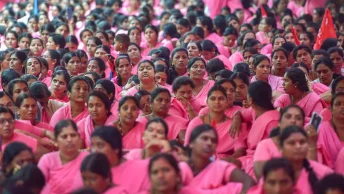
The article is divided into two parts. Part-I seeks to establish that ASHA workers fulfil conditions to be recognised as workman under the IRC. Part-II aims to show how the feminisation aspect...
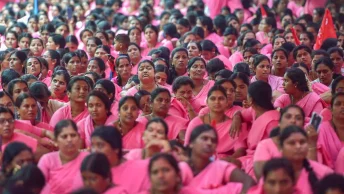
The article is divided into two parts. Part-I seeks to establish that ASHA workers fulfil conditions to be recognised as workman under the IRC. Part-II aims to show how the feminisation aspect...

Summary: The article analyses the case of Hari Devageeth v Union of India. It highlights the conflict faced by the court between two constitutional rights: a transgender man’s right to bodily...

Introduction The fifth panel highlighted the multi-faceted dimensions of behavioural accountability within the Indian Judicial system. Moving beyond the constitutional frameworks, the panelists...