
Some readers might be interested in Livelaw’s interview with George Gadbois, a contributor to this blog, who talks about his book “Judges of the Supreme Court of India: 1950-1989”. The interview provides some background about why George was in a position to interview these judges during trips to India in the 1960’s and 1980’s, and why – thankfully – he finally decided to publish it. Of particular interest to some readers he weighs in on who he thinks were the best Chief Justices and Justices of the Court during its first four decades. He also points to several prominent senior lawyers who turned down positions on the Court – perhaps cementing an unfortunate tradition in which the best legal talent did not always agree to serve. The book is well worth reading and chronicles a period in the Court’s early history with a descriptive richness that otherwise would likely have been lost.

Gadbois Interview

Further reading

This article examines India's Digital Personal Data Protection Act 2023, focusing on the adequacy of its consent-based framework as the primary mechanism for privacy protection. It discusses...

This article examines the Supreme Court’s 2025 judgment on the Aravalli Hills and Ranges, focusing on the Court’s effort to resolve the long-standing definitional ambiguity surrounding the ecosystem...
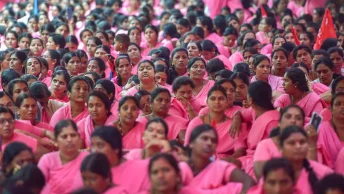
The article is divided into two parts. Part-I seeks to establish that ASHA workers fulfil conditions to be recognised as workman under the IRC. Part-II aims to show how the feminisation aspect...
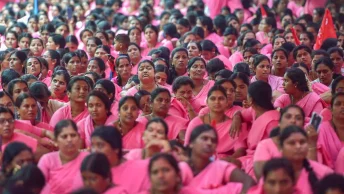
The article is divided into two parts. Part-I seeks to establish that ASHA workers fulfil conditions to be recognised as workman under the IRC. Part-II aims to show how the feminisation aspect...

Summary: The article analyses the case of Hari Devageeth v Union of India. It highlights the conflict faced by the court between two constitutional rights: a transgender man’s right to bodily...
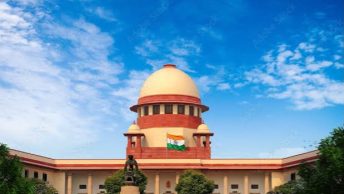
Introduction The fifth panel highlighted the multi-faceted dimensions of behavioural accountability within the Indian Judicial system. Moving beyond the constitutional frameworks, the panelists...